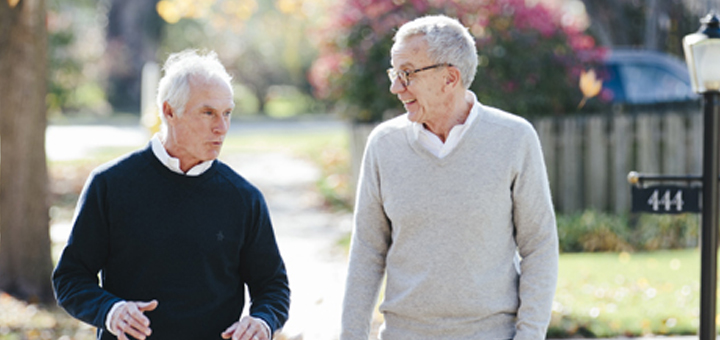
Staying friends after Alzheimer’s
When people become diagnosed with Alzheimer’s or other dementias it’s common for some family, friends or neighbors to pull away. Not knowing how to act or what to say, they find it easier to...
Caregiving / News and notes / Walk to End Alzheimer's
by Jennifer Tinkelenberg · Published December 20, 2019
When people become diagnosed with Alzheimer’s or other dementias it’s common for some family, friends or neighbors to pull away. Not knowing how to act or what to say, they find it easier to...
Spanish translation Grandma’s birthday party “That’s not my food.” Alexandra Castillo Weisgerber’s 99-year-old grandmother, who has dementia, was having fun at her birthday party – until dinner was served. Alexandra comes from a...
Alzheimer's and dementia caregiver tips / Caregiving / Education / News and notes / Newsletter
by Alzheimer's Association · Published September 8, 2015 · Last modified November 5, 2018
We all have challenges from time to time coming up with the right word for something or trying to make ourselves understood. For our friends and family members with Alzheimer’s or a related disorder,...
Advocacy / Alzheimer's champions / Profiles / Research
by Alzheimer's Association · Published August 15, 2013 · Last modified January 19, 2016
My name is Zack Smith, and I am an intern with the Alzheimer’s Association, Northern California and Northern Nevada chapter. The Alzheimer’s Association and its mission have become very important to me over my...
Alzheimer's and dementia caregiver tips / Stefanie, family care specialist
by sbonigut · Published June 26, 2013 · Last modified March 31, 2014
According to the 2012 Alzheimer’s Facts and Figures Report there are 1.4 to 2.3 million long distance caregivers today, depending on one’s definition of long distance. Living far away means you will have additional...
Alzheimer's and dementia caregiver tips / Stefanie, family care specialist
by Alzheimer's Association · Published June 17, 2013 · Last modified March 31, 2014
When a loved one is diagnosed with Alzheimer’s disease there will almost certainly be issues relating to family relationships. First, normal roles change. A son suddenly becomes his mother’s caregiver, reversing their lifelong roles....
Alzheimer's and dementia caregiver tips / News and notes / Stefanie, family care specialist
by sbonigut · Published February 19, 2013 · Last modified March 31, 2014
The Physical You For caregivers, just like being proactive is helpful in reducing mental stress, thinking preventatively is a vital step to ensure your physical well-being. Caregivers often forget there are inherent dangers to...
Alzheimer's and dementia caregiver tips / News and notes / Stefanie, family care specialist
by sbonigut · Published February 8, 2013 · Last modified March 31, 2014
Taking Care of You As a caregiver of someone with Alzheimer’s disease you will likely hear many words of advice that start or end with, “don’t forget to take care of yourself.” Hmmmm.. .supportive...